Vol. 2 No. 3 (2026): Issue on AI-Driven Frontier Technologies and Intelligent Systems Applications
This issue focuses on innovative applications of artificial intelligence across five diverse domains—image processing, condensed matter physics, macroeconomic forecasting, agricultural robotics, and international trade—featuring five representative interdisciplinary research papers. These works collectively demonstrate the powerful potential of deep learning, transfer learning, and multi-modal fusion in addressing complex scientific and engineering challenges.
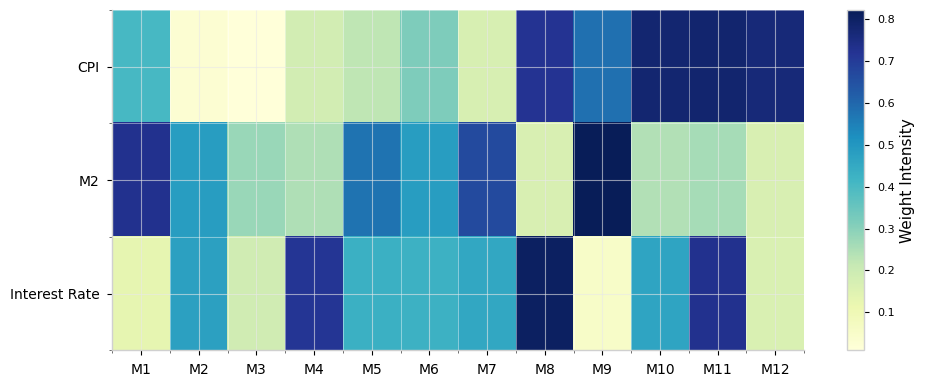
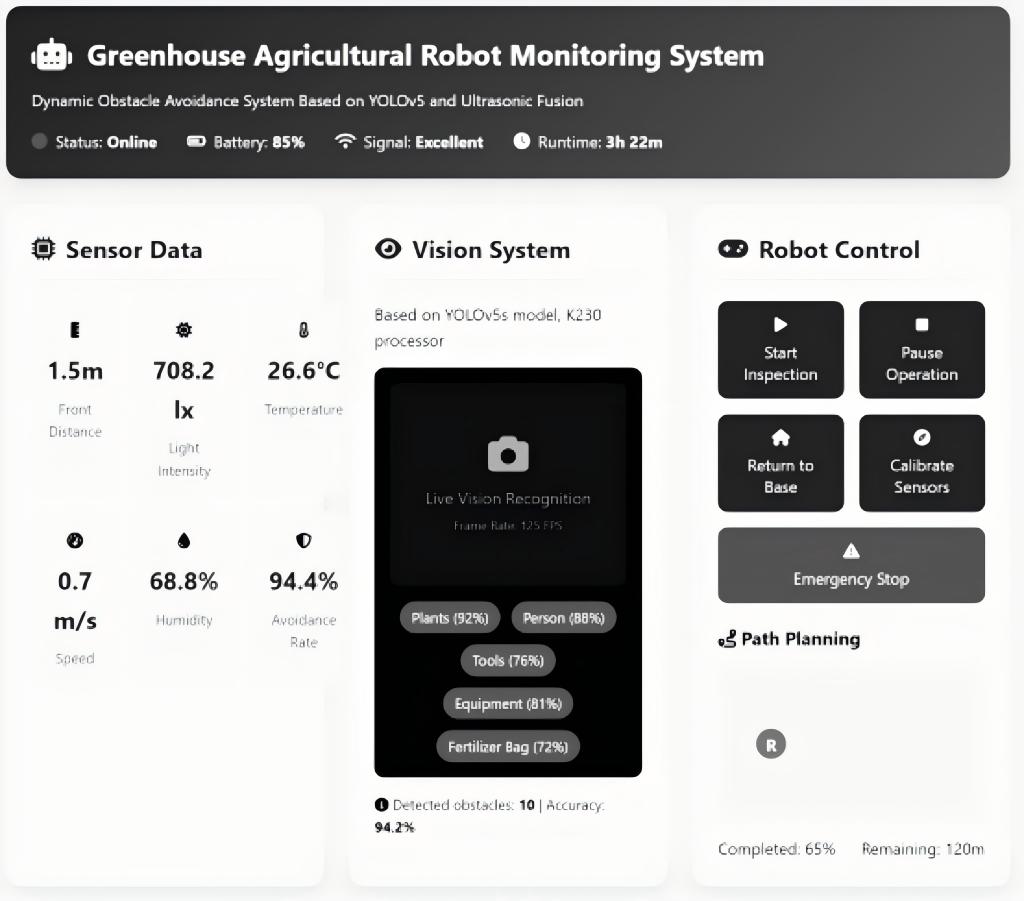
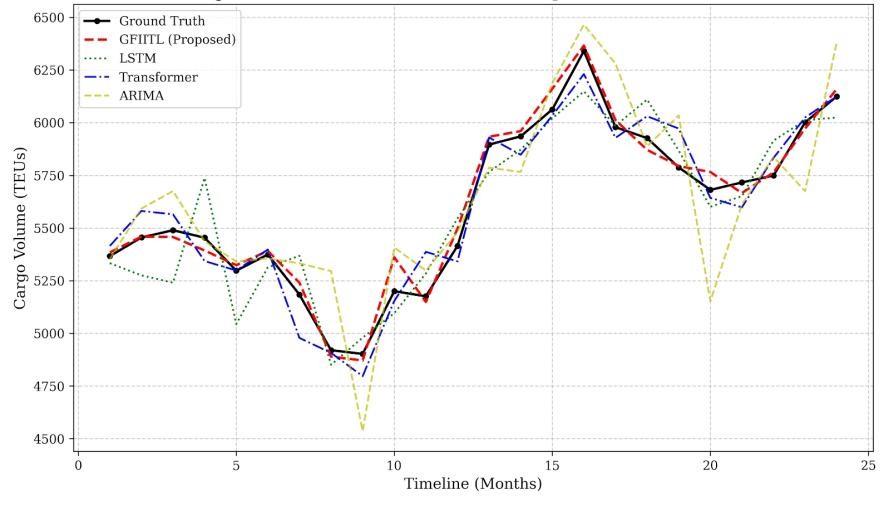
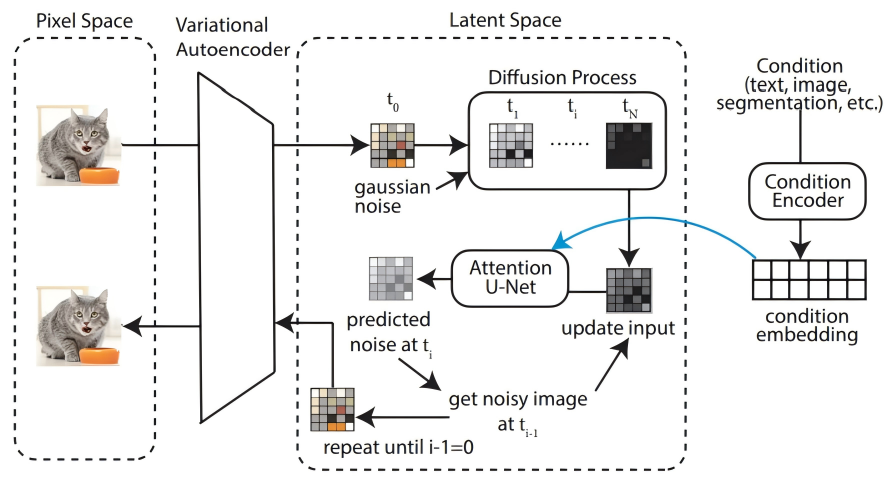
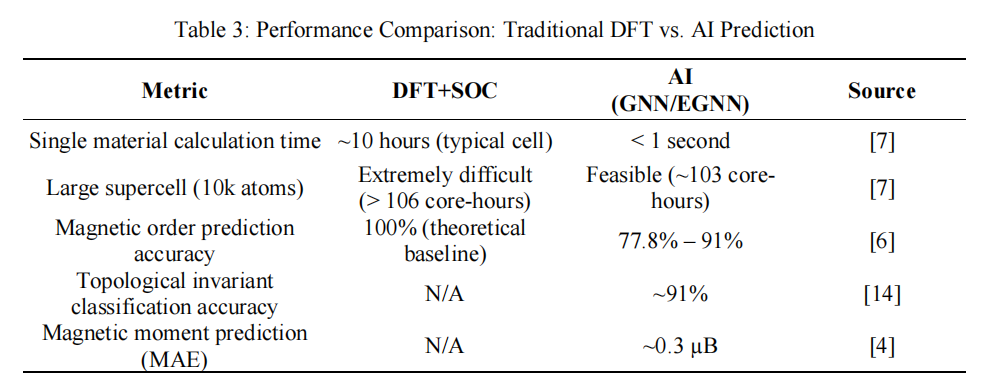
Performance Comparison of AI Models for Image Shadow Removal: UNet, CGAN, and Swin-Transformer with a Note on Diffusion Models provides a systematic evaluation of multiple deep learning architectures for image restoration tasks. Artificial Intelligence-Driven Discovery of Magnetic Higher-Order Topological Corner States: A Review From Theoretical Framework to Large-Scale Screening explores cutting-edge applications of machine learning in materials discovery within condensed matter physics. Research on Macroeconomic Nonlinear Forecasting Based on DCL-MHA Collaborative Architecture and Residual Gating Mechanism proposes a novel economic forecasting model integrating attention mechanisms with residual learning. Design of a Dynamic Obstacle Avoidance System for Greenhouse Robots Based on the Fusion of YOLOv5 and Ultrasonic Sensing achieves an agricultural automation solution through vision-perception fusion. Sino-European Trade Flow Forecasting and Path Optimization: A GFIITL-DCL-MHA Framework Based on Deep Collaborative Learning and Transfer Learning offers methodological support for intelligent decision-making in cross-border trade. These advances not only push the technical boundaries of their respective fields but also provide important paradigmatic references for the interdisciplinary integration of artificial intelligence.
Published:
2026-02-15