Vol. 2 No. 9 (2026): Vol. 2 No. 9 (2026): Bridging the Gap Between Capability and Trust: Clinical Safety, Agent Memory, Knowledge Governance, and the Frontiers of Advanced AI in Legal Practice
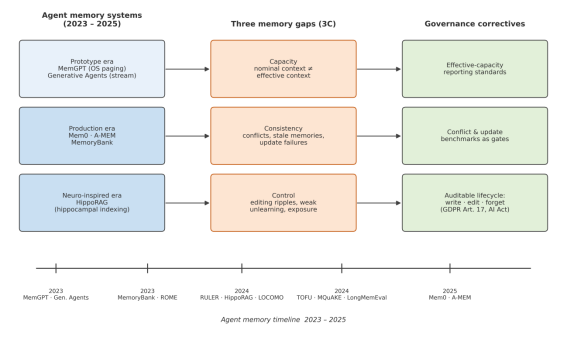
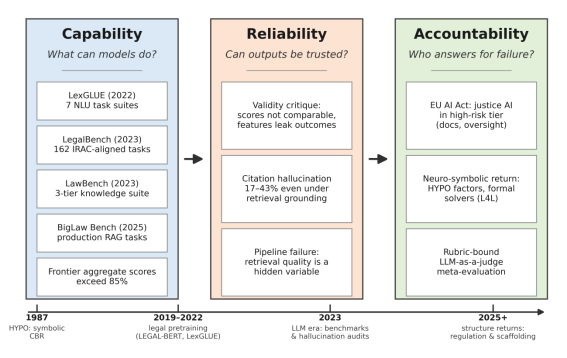
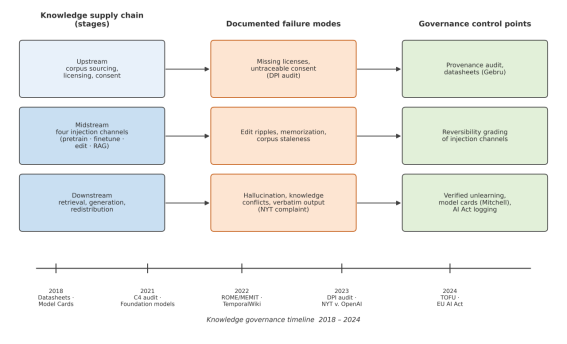
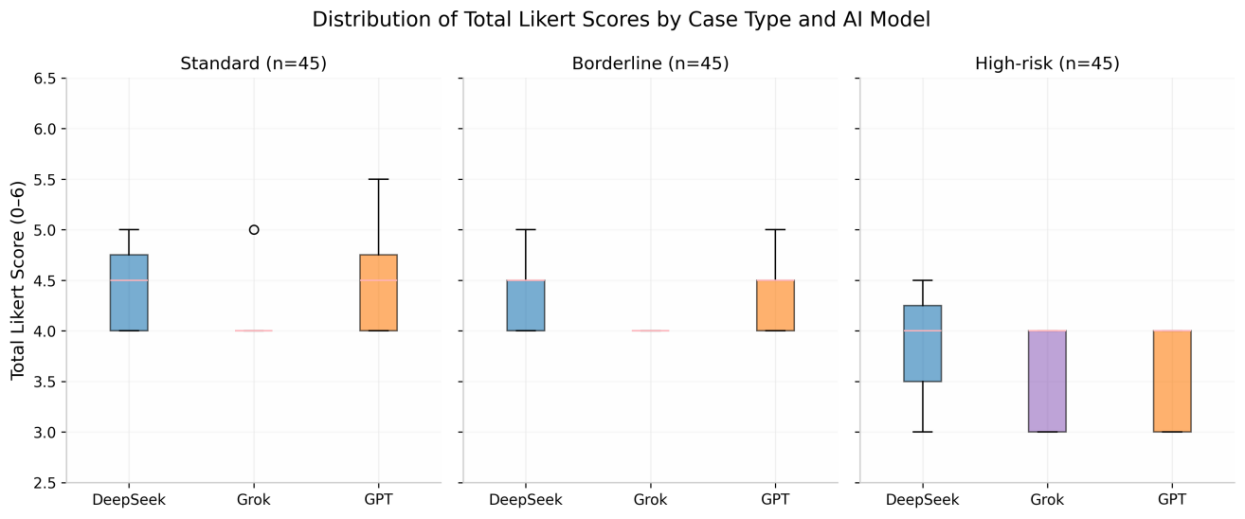
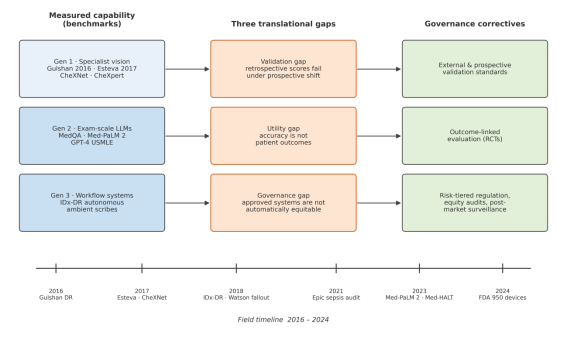
In this issue of the International Journal of Advanced AI Applications, five papers confront a shared challenge: AI capability has outpaced its reliability in high-stakes settings. Dai and Wang open with a content analysis testing AI-generated return-to-sport recommendations after ACL reconstruction against the Bern Consensus—models handle timing, risk–benefit, and safety warnings well, yet nearly miss sport-specific precision and psychological readiness, so AI advice should remain a draft requiring clinical validation. Three surveys from Geely University of China then probe the systems beneath. Deng and Song examine agent long-term memory through capacity, consistency, and control gaps, arguing that memory must be an auditable record, not a performance feature. Yang and Song map the knowledge supply chain of large language models, exposing weak upstream documentation, asymmetric reversibility across injection channels, and unresolved verified deletion. Li and Song bridge benchmarks and the bedside, identifying validation, utility, and governance as translational gaps that sever performance from patient benefit, and call for grading AI by medicine's own evidence hierarchy. The issue closes with Zhang and Song's capability–reliability–accountability survey of LLMs in legal practice, explaining the benchmark-to-courtroom gap and the convergence on inspectable structure. Together, these papers show that the value of advanced AI—in clinics, courtrooms, and beyond—will be set not by benchmark scores, but by how rigorously it is validated, governed, and held accountable.
Published:
2026-08-30