Vol. 2 No. 7 (2026): International Journal of Advanced AI Applications, Vol.2, No.7, Jul. 2026: Special Issue on Intelligent Algorithms & Equipment Innovation for Multi-Scenario AI Deployment

This July 2026 issue (Volume 2, Issue 7) publishes five original research papers covering four major AI application fields: intelligent language teaching, digital psychological counseling, elderly rehabilitation robotics, and intelligent industrial environmental governance. The research integrates cutting-edge technologies including speech deep learning, LLM-RAG, machine vision, spatial-temporal graph neural networks and multi-agent reinforcement learning.
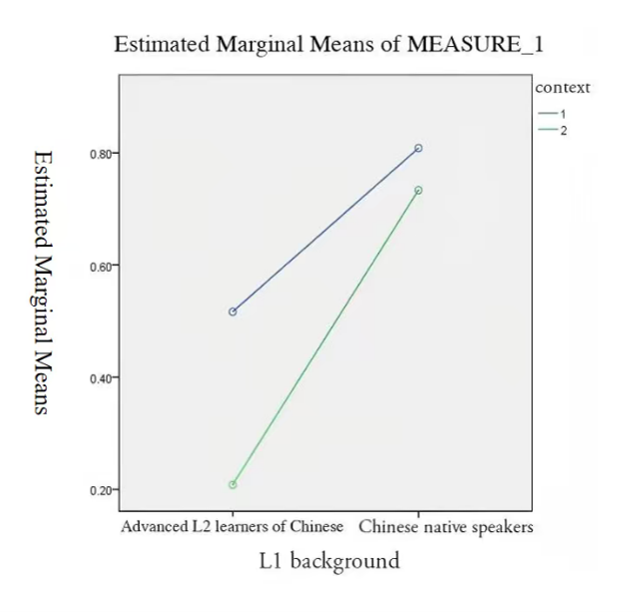
The first paper adopts fine-tuned wav2vec 2.0 to build an automatic evaluation system for Mandarin sentence stress of second-language learners. Two comparative experiments reveal cognitive gaps between native Chinese speakers and English learners under diverse semantic contexts, supplying quantitative assessment tools and pedagogical strategies for AI-assisted Chinese pronunciation training.
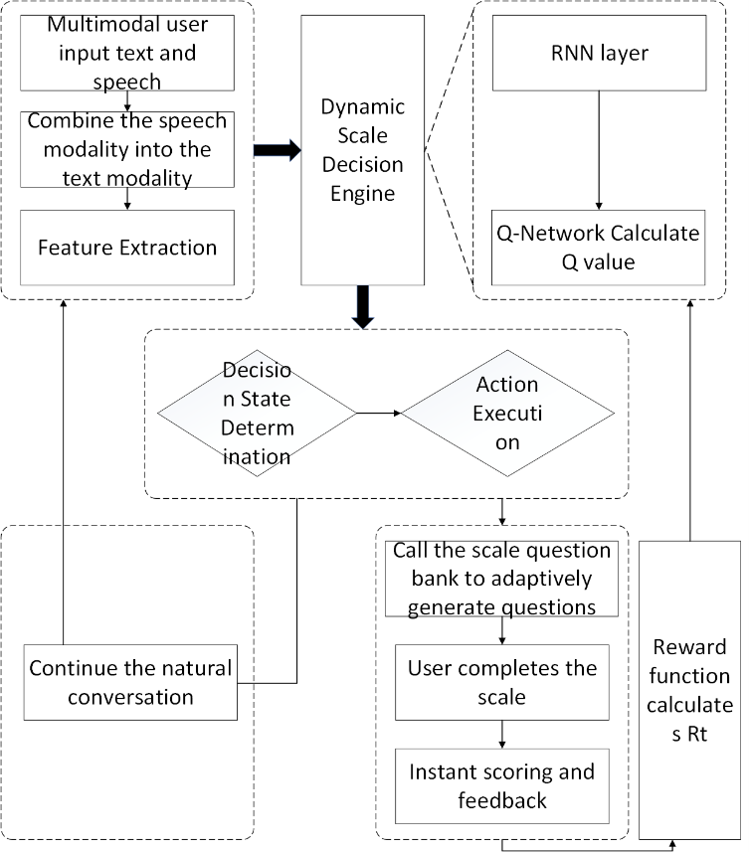
The second study proposes an intelligent psychological consultation system with dynamic scale embedding and multi-turn dialogue analysis. It combines domain fine-tuning and retrieval-augmented generation (RAG) for collaborative reasoning, realizing non-intrusive mental assessment and automatic personalized intervention plans, with lightweight optimization to cut hardware computing costs.
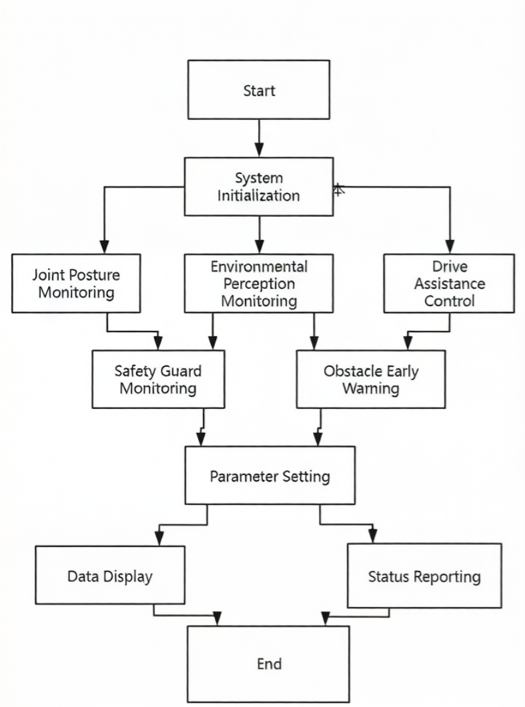
Two papers focus on intelligent walking assistive devices for the elderly: one completes the ergonomic 3D structural design, hardware circuit and embedded control system of wearable walking equipment, and verifies structural stability via modal analysis; the other deploys a lightweight stair recognition algorithm based on Canny edge detection and Hough transform on low-power embedded chips, meeting real-time perception demands of rehabilitation robots.
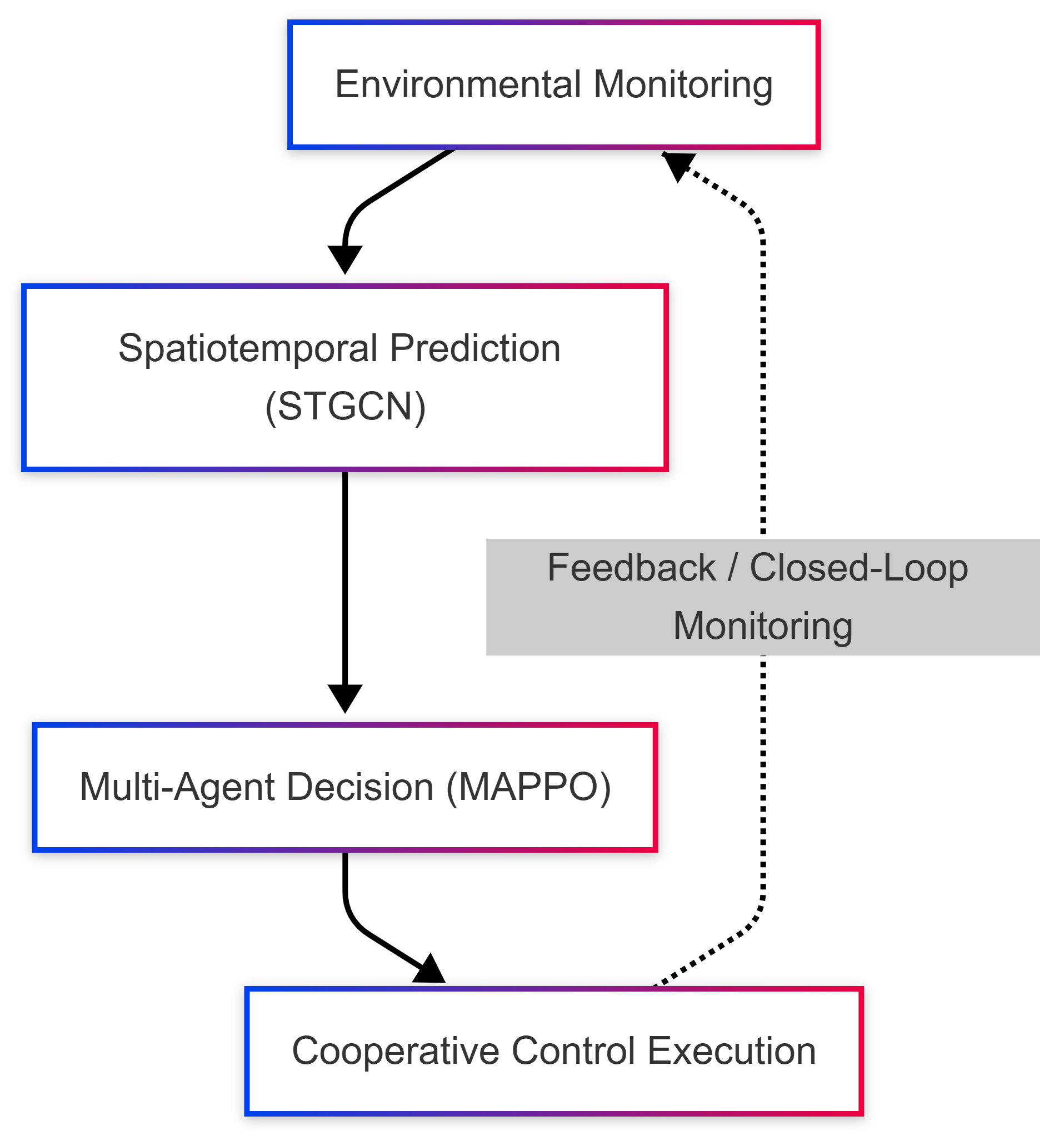
The final research targets industrial park pollution control, constructing a joint framework of STGCN and MAPPO multi-agent reinforcement learning to mine spatiotemporal pollution evolution patterns. The model realizes cross-enterprise coordinated emission reduction, significantly cutting reagent & power consumption and pollutant over-limit incidents.
This issue balances theoretical innovation of natural language processing, development of embedded intelligent hardware and industrial big data governance. It addresses practical demands from education, geriatric rehabilitation and environmental protection, showcasing the latest engineering achievements of lightweight AI algorithms, multimodal interaction, intelligent robots and spatiotemporal predictive control.
Published:
2026-06-08